About nano Ceramic Tile Polishing Pads
eramic Tile Polishing Pads
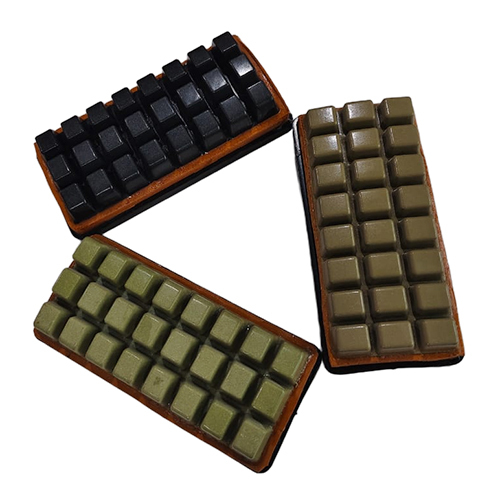
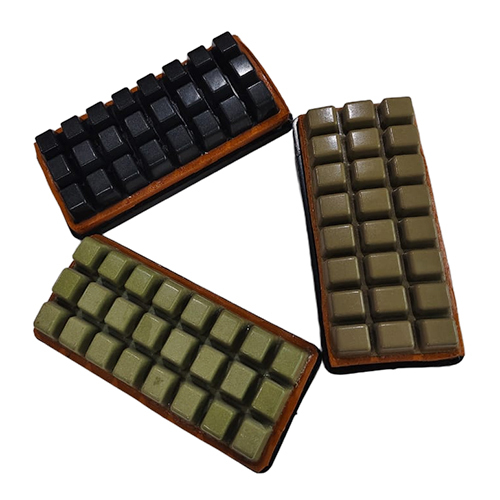
Ceramic Tile Polishing Pads are specially designed for achieving a smooth, glossy, and high-quality finish on ceramic tiles. These pads are widely used in the tile processing and polishing industry to enhance surface shine and remove scratches, stains, and uneven textures.
Manufactured using premium quality abrasive materials, these polishing pads ensure long-lasting performance and consistent results. They are compatible with various polishing machines and are suitable for both wet and dry applications.
Features:
- High polishing efficiency with excellent finishing
- Durable and long-lasting performance
- Suitable for different types of ceramic and vitrified tiles
- Available in multiple grit sizes for various polishing stages
- Easy to use and compatible with standard polishing machines
Applications:
- Ceramic tile surface polishing
- Vitrified tile finishing
- Scratch removal and surface enhancement
- Industrial tile processing uni
Efficient Polishing & Buffing SolutionSpecially crafted for ceramic tiles, granite, marble, and various stones, these nano polishing pads excel in delivering high-gloss finishes. The flexible resin-bonded diamond construction ensures exceptional adaptability on uneven surfaces, while the variety of grit options enables multi-stage polishing. Suitable for use on floors, walls, and countertops, these pads enhance both productivity and surface quality in industrial and professional settings.
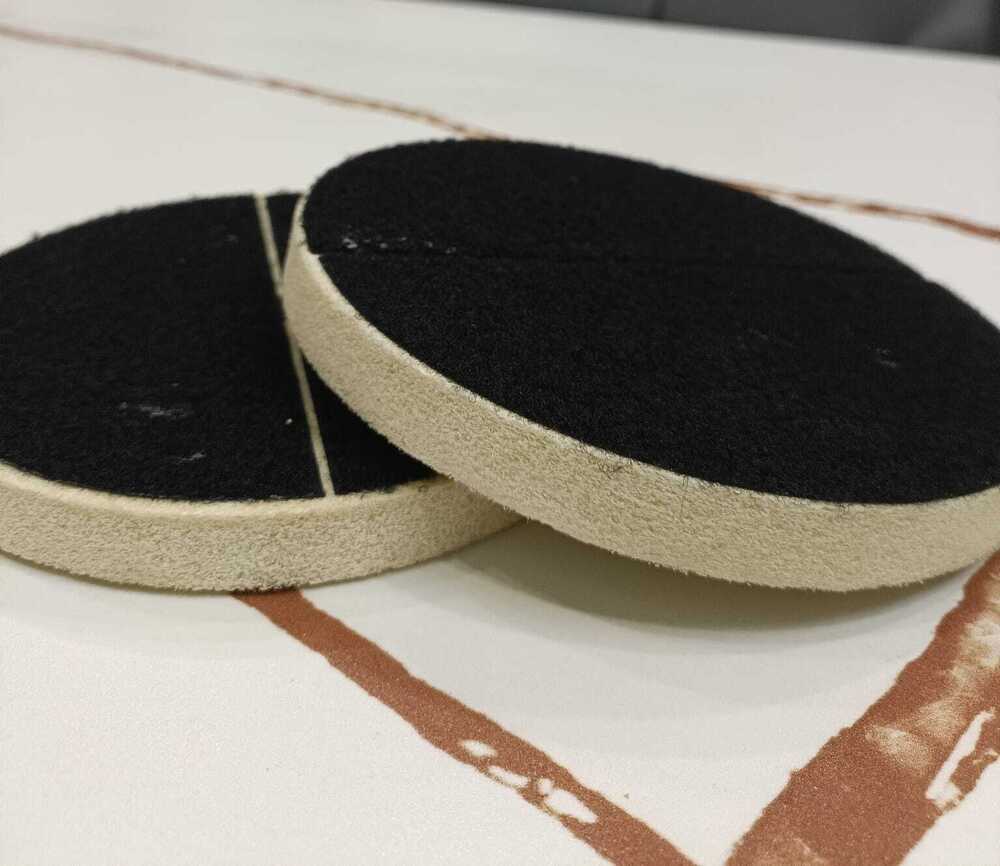
Versatile & Durable DesignThese pads are built for both wet and dry applications and can be effortlessly attached to angle grinders using the convenient Velcro hook & loop system. With a robust life span-covering up to 5000 square feet-and thickness of 3 mm, they withstand demanding environments. Their compact size (4-inch diameter) makes them easy to maneuver, especially in tight spaces or intricate tile work.
FAQ's of nano Ceramic Tile Polishing Pads:
Q: How do I use nano ceramic tile polishing pads for optimal results?
A: To achieve the best results, start with a lower grit pad (like 50 or 100) for initial grinding, then progressively use higher grits to refine and polish the surface. Attach the pad to your angle grinder via the Velcro system, operate at speeds between 2000-4000 RPM, and apply evenly on the targeted area. For enhanced shine and pad longevity, use wet polishing where possible.
Q: What types of surfaces and materials can these pads polish?
A: Nano ceramic tile polishing pads are ideal for ceramic tile surfaces but are also highly effective on granite, marble, and other natural or engineered stones. Suitable applications include polishing floor tiles, wall tiles, and stone countertops in both domestic and industrial environments.
Q: When should I choose wet or dry polishing methods with these pads?
A: Wet polishing is recommended to reduce dust, minimize frictional heat, and prolong pad life, especially for extensive polishing jobs. However, these pads are engineered for both wet and dry conditions, giving flexibility based on your working environment, accessibility, and specific project needs.
Q: Where can these pads be used in a professional setting?
A: These pads excel in locations requiring fine stone finishing such as construction sites, tile installation projects, countertop workshops, and floor maintenance services. Their versatility makes them suitable for both floor and wall tiles, as well as countertops across residential, commercial, and industrial spaces.
Q: What is the typical process for using multiple grit pads?
A: Begin the process with the coarsest pad (grit 50) and progress through finer grits (up to 3000) to gradually refine and polish the surface to a high gloss. Each stage removes marks from the prior grit, so ensure thorough coverage at every level before advancing to the next pad.
Q: What are the main benefits of using nano ceramic tile polishing pads?
A: These pads offer several advantages: efficient, high-gloss finishing; compatibility with most handheld angle grinders; longevity covering up to 5000 sq. ft.; flexibility for curved or uneven surfaces; and reliable performance in both wet and dry polishing scenarios.






 Send Inquiry


 Send Inquiry
 Send Inquiry
 Send SMS